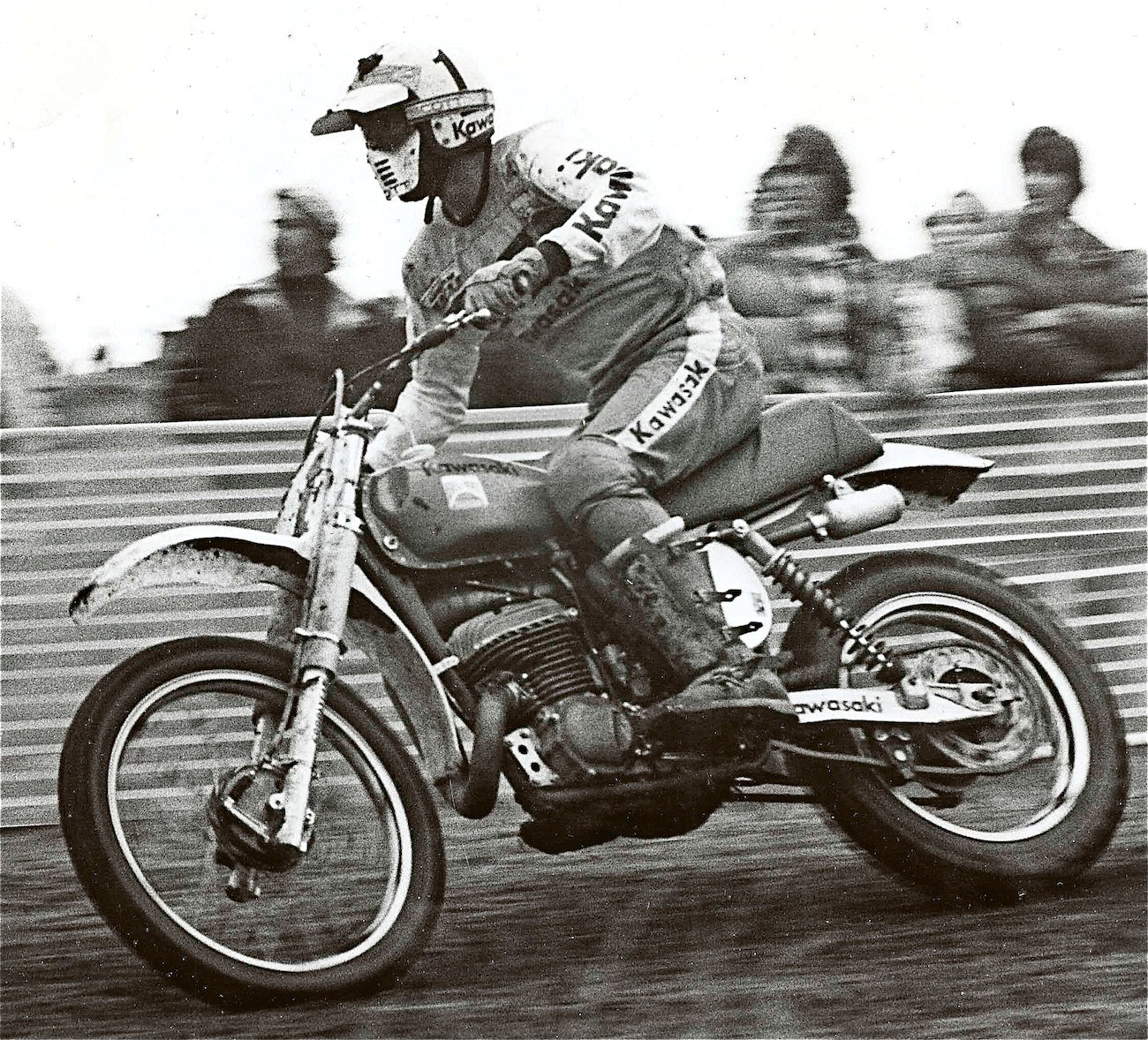

Off-road motorcycles are called off-road bikes or dirt bikes.
Off-road motorcycles are a major category within the motorcycle world. Like other industrial products, they are primarily driven by user demand. At the same time, they are influenced by various racing events, leading to the development of products that are later adapted for civilian use. Different types of off-road motorcycles correspond to different riding styles. To truly understand all this is quite complex, but I believe that after reading this article, it will all become clear to you.
Motocross
Competition only, light weight, for racing and jumping, with knobby tires.
First, let's look at the track. Off-road track riding is further divided into two types: supercross and motocross. The biggest difference between the two is the size of the track. Motocross tracks are generally very large and are usually set up in rural areas with sparse populations. Supercross tracks, on the other hand, are smaller and are typically built inside stadiums or similar structures. What I find most exciting are the tightly spaced jumps. It's not about speed; it's about strategy. The speed you take off a jump, whether you land in front of the next jump, behind it, or on top of it—all of that requires real skill.
The defining characteristics of track motorcycles are lightweight construction, no headlights, and no instrument panel—everything is minimized to reduce weight. However, they feature particularly robust suspension and a very sturdy frame. This type of motorcycle has two branches of development:

1. Focus on lap times, jumping, and track riding
This type of racing is the most commonly seen in the media. The tracks are made of high-quality dirt, with all the undulations shaped as parabolic curves. Various corners are equipped with berms (outer sandbanks) to assist riders in turning.
2. Focus on obstacle negotiation
This type of racing is also relatively common. The tracks feature countless large logs lying flat, massive old tires, deep water pits, mud pits, steps, and more. This kind of racing looks incredibly tedious, because very few riders can smoothly clear every obstacle. Most get stuck at one or two obstacles, clumping together into a chaotic mass—there's hardly any speed involved. A representative example of this type is the Romania Urban Obstacle Race.

Dual Sport
These types of motorcycles are all street-legal, equipped with turn signals and rearview mirrors. They offer comfort and durability. This category has two branches:
1. ADV (Adventure) Bikes
Adventure touring motorcycles, as a new category, have won the favor of adventure touring enthusiasts since their introduction. Compared to rally bikes, ADV bikes offer more comfortable suspension and seats, better powertrains, and larger fuel tanks. Compared to street bikes and sportbikes, they also possess excellent rough-road capability. Given the diverse terrain in our country, ADV bikes are quite practical for adventure touring enthusiasts.
2. Pure Dual Sport
These closely resemble off-road track bikes in appearance. In English, simply saying "dual sport" refers to this category. These bikes basically look like off-road track bikes, but their core is much milder. Since components such as the frame and suspension are designed to be half for street use and half for off-road use, they can handle light off-road conditions.
Enduro Bike
The off-road performance of this type of motorcycle falls somewhere between the two categories mentioned above. Everything—range, comfort, durability, lightweight construction, frame strength, suspension strength, etc.—is somewhere in between. It typically features a headlight, taillight, and instrument panel, but usually no turn signals or rearview mirrors.
![]() Trial Bike
Trial Bike
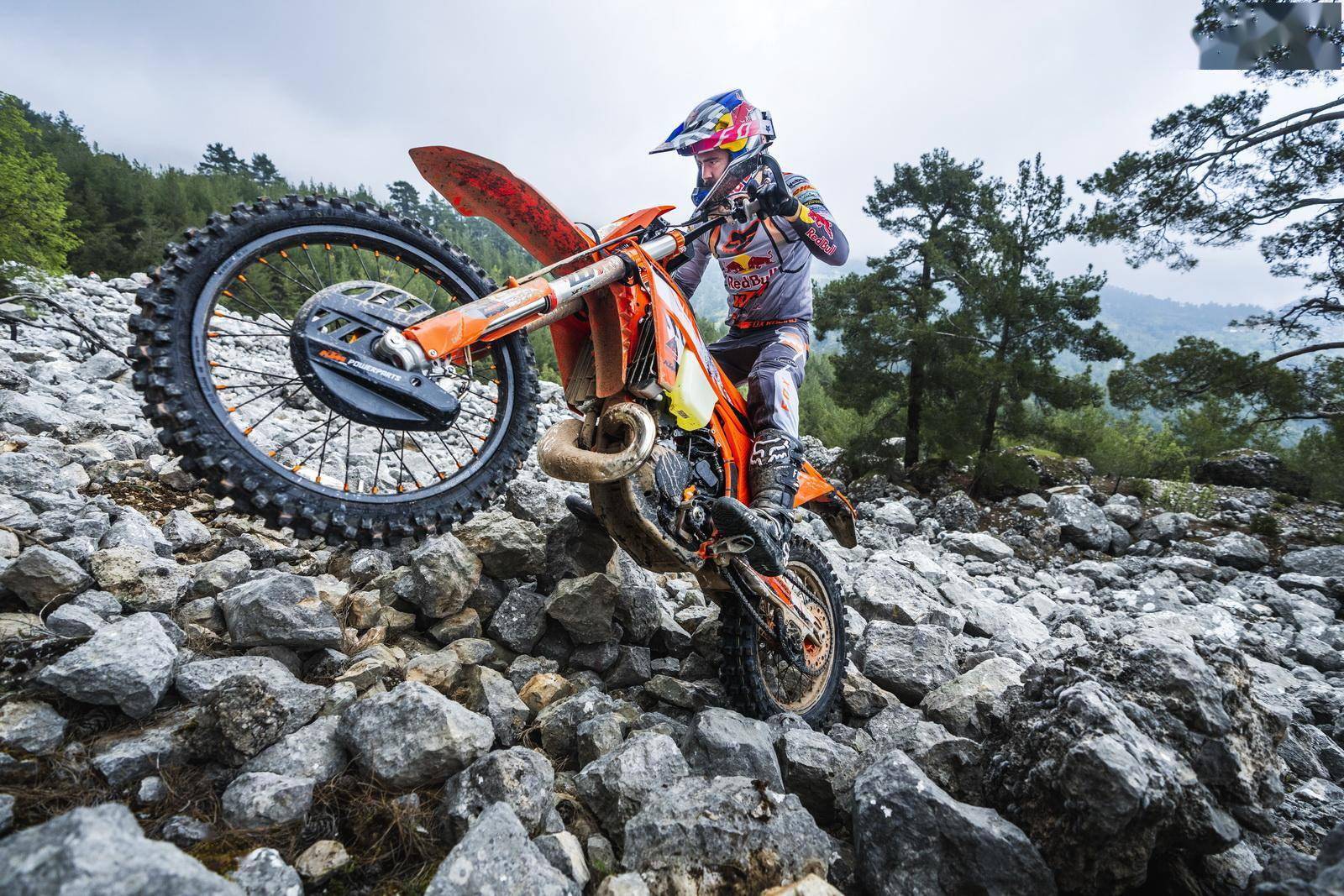
In these extremely difficult competitions, there are incredibly steep slopes and very sharp turns. What matters most in this type of competition is balance. Riders often come to a full stop during the race, and for extremely tight corners, they have to pivot and maneuver on the spot to turn around. Both the competitions and the stunt performances of these bikes are exceptionally exciting.
Super Moto
Initially, it was difficult to find production supermoto models; most supermotos were converted by riders from professional off-road motorcycles or trail bikes. Since paved roads offer significantly more grip than unpaved surfaces, converting a supermoto requires not only swapping to street tires but also replacing the brake disc with a larger one to achieve greater braking power.
Additionally, adjustments must be made to the front and rear suspension to suit the paved track, ensuring adequate support during cornering.
With the growing popularity of supermoto racing in recent years, many manufacturers have started producing factory supermoto models, each offering their own supermoto lineup. Unlike major world motorcycle racing events that require large tracks, supermoto races can be held on something as small as a go-kart track, which is more than enough for supermoto bikes to have fun on. As a result, more and more people are getting into supermoto.